Skelleftea Day 1: The Hub of Creative Minds

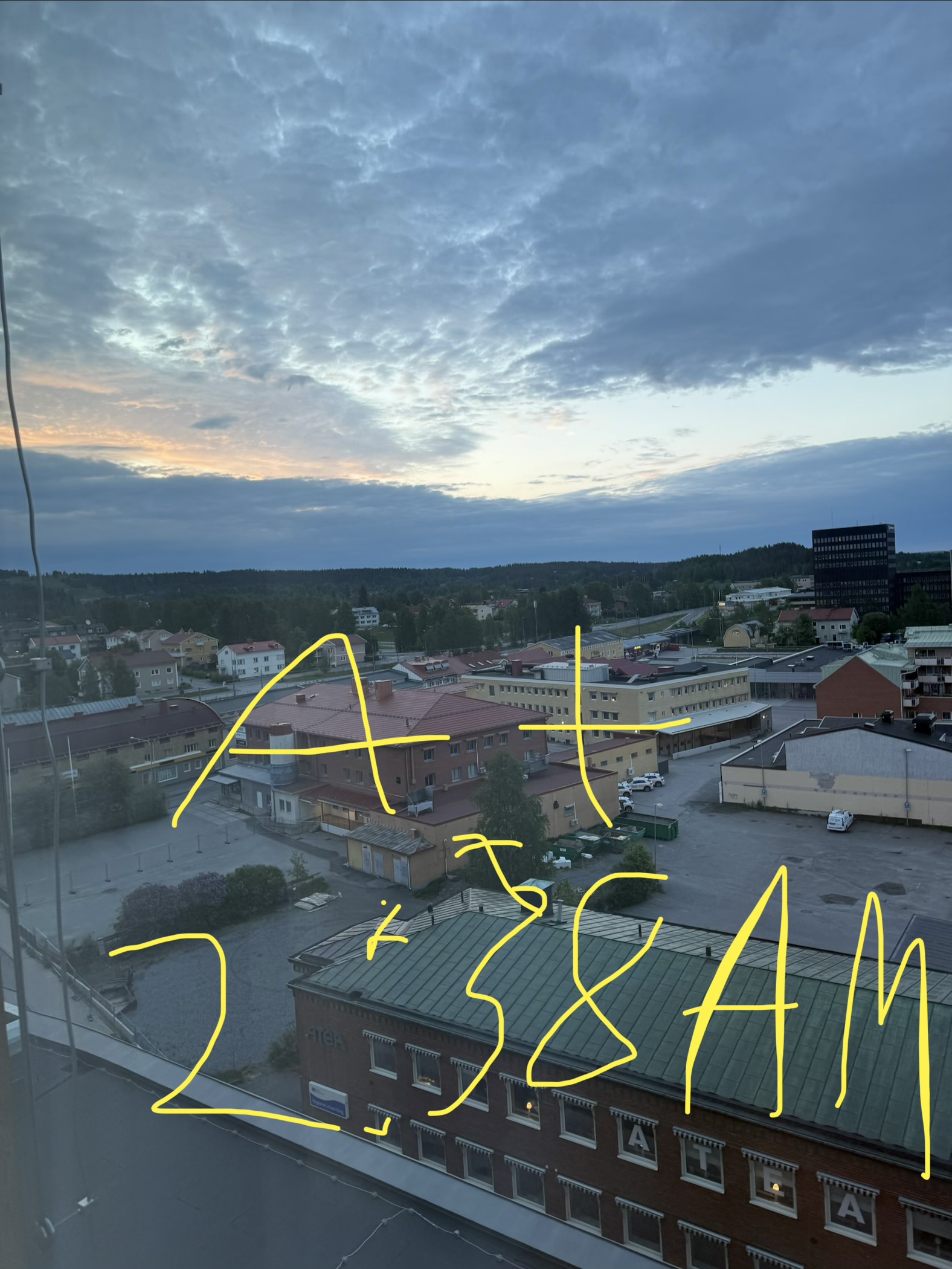
We had just spent a couple days in Northern Sweden, particularly the small town of Skelleftea, and this may have been the closest me and Henry have experienced being nearest to the Arctic Circle since I don’t remember my Cruise to Alaska at less than 1 year old.

Anyways, when riding over to the Wood Hotel, I noticed that Skellefteå was a small region that was not just a small town, but a hub of many brilliant minds to come together, whether from Sweden or elsewhere from around the world, to brainstorm ways to save energy while putting their ideas into practice. Our first official day started with a visit to Skellefteå Campus where my cohort and I spent time in workshops and learning more about the campus.
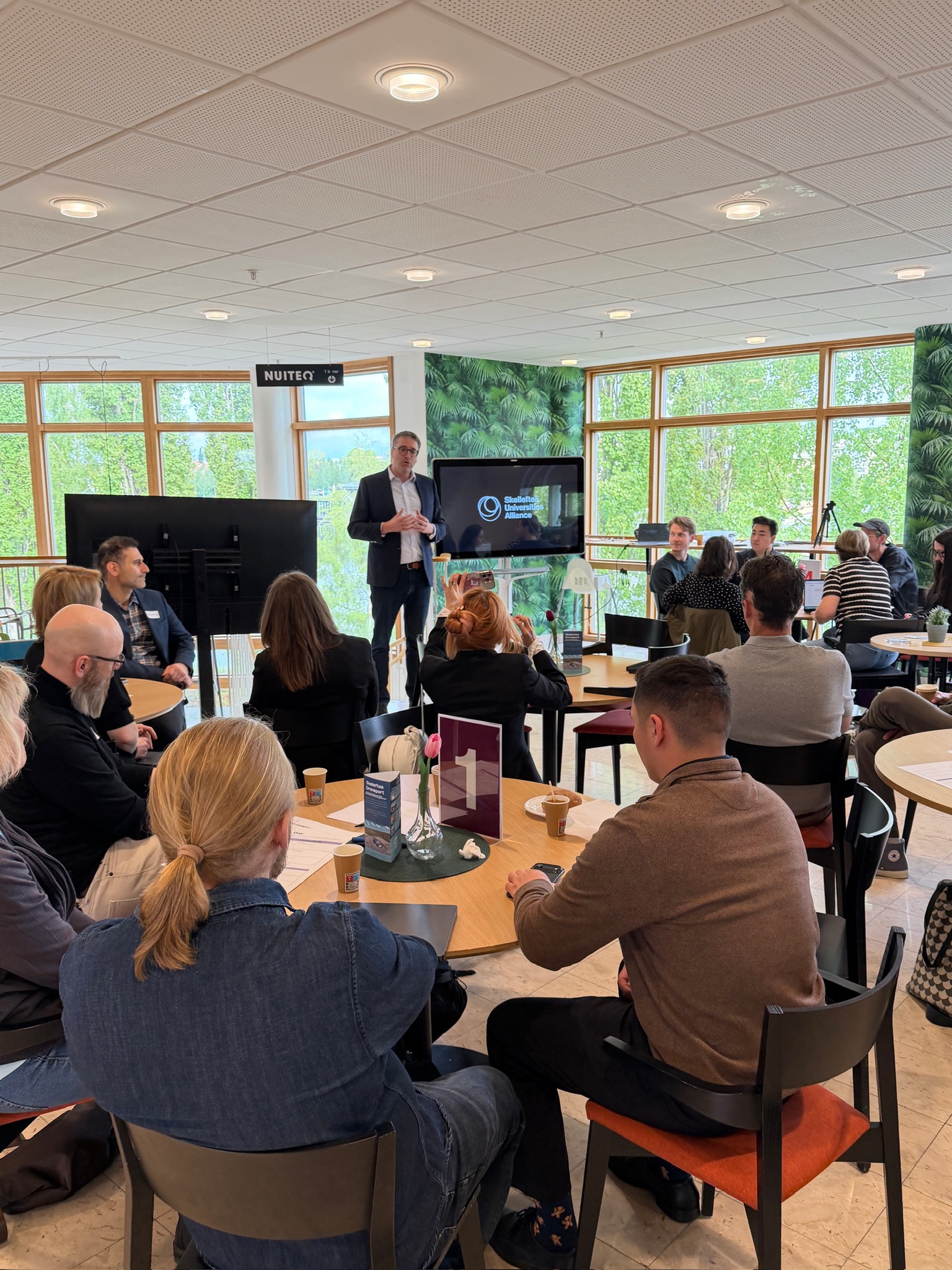
During the workshops, we spent time analyzing the future of education and how the role of the teacher evolves or devolves decades from now. We made the conclusion that the role of a professor is becoming less of an absolute answer to everything and more of a firsthand exposure to different university topics. The role of general information being more accessible as well as more exposure to different perspectives through the internet.

We also had the time to learn more about what Skellefteå Campus was: a unification of many institutions and individuals who collab together to prepare for the future. After the info session, we went to visit our next stop.

Our second spot was the Skellefteå Droneport, where we all had the chance to learn more about how drone development has evolved over the years and the new innovative ideas they had in store for NATO.

Reflecting on our time in Skellefteå, I realized that our experiences highlight several powerful macroeconomic forces at work, most notably regional economic transformation, human capital development, and structural shifts in government expenditure. Seeing Skellefteå’s evolution into a global hub for energy innovation gave me a firsthand look at how targeted foreign and domestic investment (particularly related to the green energy transition) can drive regional GDP growth, create jobs, and stimulate international labor mobility by drawing top global talent to Northern Sweden.
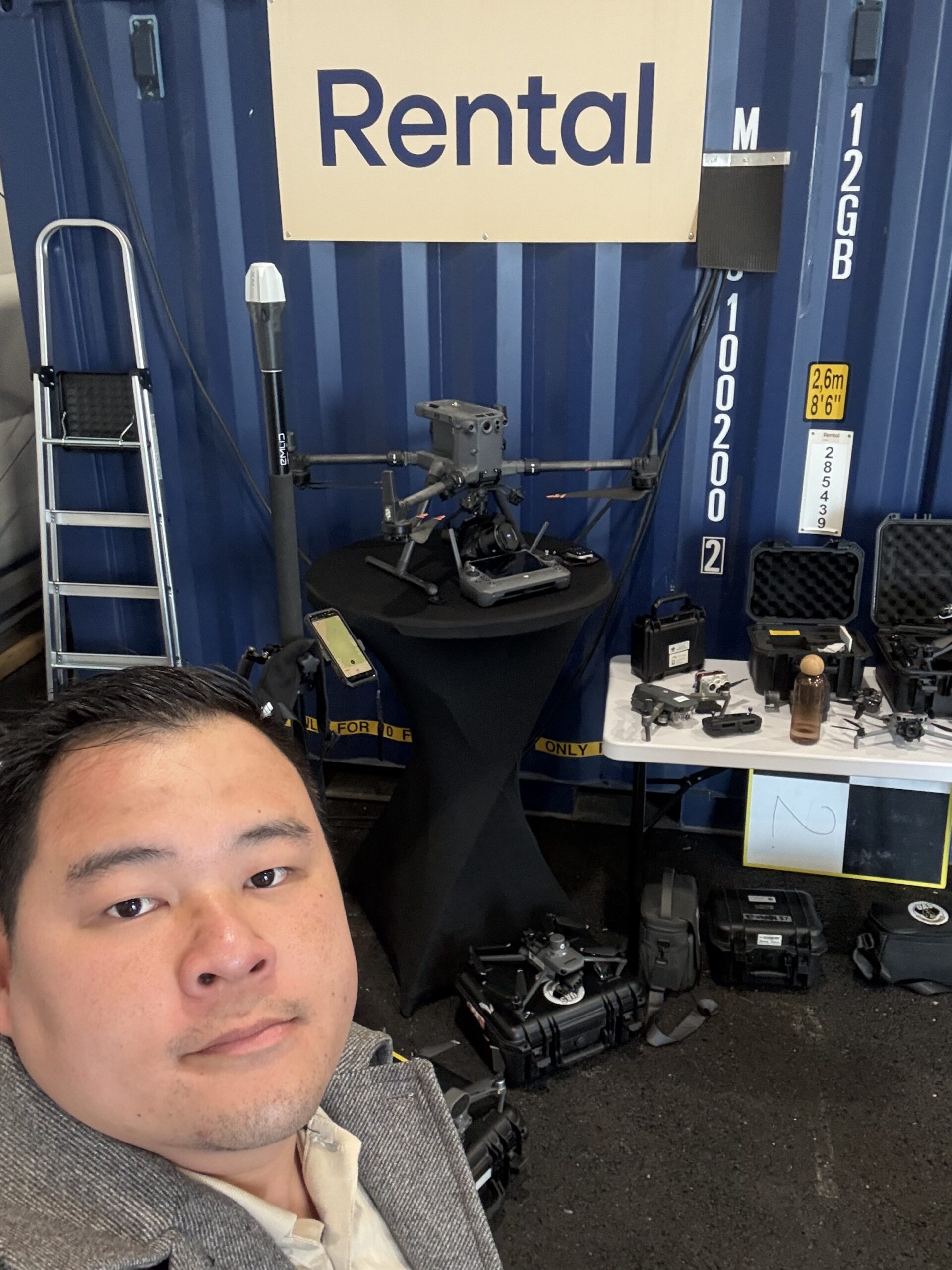
Furthermore, during our workshops at the Skellefteå Campus regarding the evolving role of educators, I was struck by the macroeconomic concept of human capital development; as technological advancements democratize general information, education systems must structurally adapt to maintain labor productivity and prepare the workforce for a changing global economy. Finally, learning about the drone development initiatives for NATO at the Skellefteå Droneport showed me the real-world impact of defense spending and international trade alliances. It perfectly illustrated how government fiscal policy and security investments can act as an economic multiplier to spur technological innovation and local industrial expansion.

What Will Campus Look Like in 2076? A Day in Skellefteå Got Me Thinking

Hej!

There’s something kind of wild about sitting in a room full of strangers — academics, business people, city planners, students — and being asked one simple question: What is a campus actually for?

That’s exactly what happened today in Skellefteå, Sweden, as part of a workshop called Campus in 50 Years: Learning, Environments, and Society in Change. Honestly, I walked in expecting a conversation about buildings and WiFi speeds. I walked out questioning something much bigger.

The workshop kicked off with a simple exercise: think back 50 years. It’s 1976. No internet. No smartphones. No Zoom lectures or LLMs. The tools were different, the norms were different, and the opportunities available to student looked almost nothing like today. It was great to get perspective from different types of people. If the world changed that completely in five decades, what does it even mean to plan for the next fifty years?

That tension ran through pretty much every conversation. If knowledge is available everywhere, why gather in person? If degrees stop meaning what they used to, what replaces them? If AI can teach and assess better than any professor, what’s the human’s role? Heavy questions, but good ones.

Then you flip it to 2076. Nobody in the room was pretending to have the answers. We collaborated and discussed the arising frictions and tensions a campus must address. Talking about challenges that come ahead, our groups developed a prototype that addresses the challenges we recognized.

Being in Sweden gave the conversation an interesting layer too. There’s a long-term thinking built into Scandinavian culture that shows up everywhere — education, sustainability, city planning. Institutions here tend to be built around people first, and it shows. It got me thinking about what other countries, including the US, could take from that approach, especially when building systems meant to actually last.

Walking around Skellefteå after, the city itself felt like a quiet answer to everything we’d just discussed. Small, thoughtful, built for the long haul. Maybe that’s the whole point — the campus of 2076 doesn’t need to be bigger or flashier. It just needs to think further ahead.

PlacexNordic Conference & Skelleftea

Hi world! We are reporting from Stockholm inside the Radisson Blu hotel. We wanted to share our thoughts about the conference that we attended, as well as the city of Skelleftea itself. Overall, we liked coming to the northern part of Sweden, where … [Continue reading]

What We Should Learn to Prepare For a Better Future?

Hello Readers,I am Rose Nguyen, and my teammate Donald and I are both MBA students at Chapman University in the USA. Along with our professor, Niklas, and our fellow MBA classmates, we are participating in a study abroad course at Campus Skellefteå … [Continue reading]

The 2076 Campus Skellefteå Evolution

Tucked in the northern reaches of Sweden, the city of Skellefteå carries an energy that feels quietly ahead of its time. Today, our cohort visited Skellefteå University for a workshop unlike anything I had experienced in a traditional classroom … [Continue reading]

18 Hours and 9 Time Zones: Orange County to the Arctic Circle

By Henry Carey, with more to come from Matt Ho. I left Orange County’s freeways, strip malls, and donut shops behind on May 30, and didn’t stop moving for 18+ hours. A transatlantic flight, a layover in Stockholm, then one final short hop north. … [Continue reading]

The Land of the Midnight Sun: Study abroad Scandinavia 2026 course

Hello readers, Donald and Rose are here live in Sweden currently. We are eager to introduce ourselves to the community. We our both in the Chapman MBA Flex program. Our blog name is Sunshine, and we are looking forward to shine some light on our time … [Continue reading]

From L.A. to Scandinavia: Selling Green and What We’re Here to Find Out

Hi everyone! We're Heba Baker and Josh Garcia, and we're excited to introduce ourselves before we head out on this trip. Heba joined Chapman's MBA flex program in Spring 2025, and Josh has been at it since Fall 2024. Between the two of us, we bring … [Continue reading]

From L.A. to the Land of the Vikings: Our Trip to Scandinavia

Hi everyone, we'd like to introduce ourselves to the online world! Our names are Vincent Tapia and Arman Kayhan-Mahd, and we are also known as the AV Post. We both joined the MBA flex program at Chapman in August of 2024. We are both expected to … [Continue reading]

Welcome to California!

After two weeks, two countries, and several cities, our journey through Scandinavia has come to a close. While we learned much on this trip, the Valhalla Visionaries will continue our quest for knowledge and hope to bring back a little bit of … [Continue reading]